They call it one of the worst cases of animal abuse in our region and the people responsible could face more than a hundred counts of animal cruelty.
Dozens of animal carcasses are found in and around a home in Jackson, Ohio and several of them are barely alive.
There are 75 surviving animals found at this farm in Jackson County, Ohio. More than 60 other animals weren't so lucky.
Police were called to the scene after this pig wandered into a neighbor’s yard trying to eat chickens, which led police to this home where they found caged animals, dead and alive
Police said three people lived on this farm, two females and a male. Police said they left the animals alone after a domestic dispute.
When emergency workers first got to the scene, they say it looked like something out of a Stephen King novel, an animal death camp. They said the search still isn't over and they fear there may be more animals dead in the field.
Police said the three people who lived on the farm face well over 100 charges of animal cruelty and neglect.
Each count carries a $500 fine and/or jail time.
It's important to point out nobody can adopt the surviving animals until the judge hands them over to the Humane Society. In the meantime, they're in good care.
Thursday, July 12, 2007

CIRCUS REFORM
Circus Reform Yes!
Leave a comment
Reprint right By Christine Coughlin ,
Like many grassroots groups, Circus Reform Yes! (CRY!) started with a dream: a dream we had to end the misery of wild animals incarcerated in the circus. Initially we held demonstrations outside of the Target Center when the circus came to town, bearing witness to the animals’ suffering. But we knew more could be done. As a city with vision, we knew that Minneapolis could become the twenty-ninth American city to ban wild animal circuses. In Europe, hundreds of cities (one hundred and sixty in England alone) and the entire country of Austria have already banned wild animal circuses.
Opinion: Circus Reform Yes!
We decided to set up a table and start talking to our fellow Minneapolitans. As we tabled outside of Minneapolis food coops, thousands of people signed postcards to City Council members, urging them to prohibit wild animal circuses. We next took our message to Minneapolis events such as the Gay Pride Festival, the Children's Expo and the Pet Expo, and the Minnesota Educators Conference. Every minute we’ve worked (which now totals thousands of hours) is totally volunteer, without exception. Why do we keep going?
Elephants, highly intelligent, sensitive beings with strong family bonds, walk over twenty miles a day on their home range. In circuses they are chained up to twenty hours a day. Elephants urinate, defecate and sleep in chains. As the famous civil rights activist Dick Gregory put it so eloquently, "The chains that hold the elephants captive are the chains that held my ancestors." Each CRY! volunteer remains committed to breaking those chains, and that’s where our inspiration comes from.
How does a one hundred and eighty pound man get a two thousand pound elephant to perform painful, unnatural tricks? With a bullhook, among other implements. Bullhooks are long sticks with sharp metal hooks attached to the end. The elephants are jabbed and prodded in their most sensitive areas, around the ears and mouth. Bullhooks are sharp enough to make them remember, as elephants do, what will happen if they don't perform the trick right—tricks that often leave them arthritic or crippled for life.
As more people learned about the reality of life for circus animals, our ranks began to grow. We raised money, started a website (www.crymn.org), printed t-shirts, and were able to reach even more people. How did members of the Minneapolis City Council respond when they began receiving hundreds, then thousands of signed postcards, letters, emails and phone calls- all from constituents who want animal circuses to be replaced with animal-free circuses? Some on the Council immediately embraced the issue, some warmed to it, and remarkably, some remain unmoved by the cruelty done to the animals and the concern of their constituents.
If you come hours before the wild animal circus at the Target Center, you'll see the circus trailer trucks hauling in the elephants. The arena doors open, bringing the elephant truck inside. The doors slam shut. The process is reversed after the shows are over. These circus animals on tour do not see the light of day.
Lions and tigers don't fare any better. These magnificent animals are kept in cages so small that they can hardly turn around. Imagine what fear has to be drilled into a tiger to make that tiger jump through a hoop of fire. These large cats have a deep fear of fire that protects them in the wild. When a hoop of fire collapsed on a tiger in Coquitlam, British Columbia, in front of schoolchildren, that municipality banned wild animal circuses in a hurry.
People from all over the Twin Cities we met while tabling stopped to tell us how wild animal circuses had impacted them as a child. Some saw the fear in a tiger's eyes when the whips came out. Others remembered dull eyed, depressed elephants neurotically swaying back and forth. Others, as children, saw nothing wrong, but when they grew up and learned how the animals lived and were trained, their opinion on wild animal circuses changed. I can say with certainty that no child would go a circus if they knew what the animals endured out of sight.
Confinement in trucks, chains and cages is an enslavement that dishonors our children. Dr. Melvin E. Levine, professor of pediatrics at the University of North Carolina, says that circuses teach children to disregard "the feelings, the needs, and the rights of other living individuals." We want our children to follow their natural bent away from violence. As citizens of Minneapolis, we are all their teachers.
Is there a public safety risk? Wild animals in circuses endure relentless travel in their own waste, in constant confinement. For naturally free roaming animals, the constant moving in confinement is enough to cause them to go out of control. Wild animals do not cope well with isolation from their social groups and with repeated changes in their territories.
Peggy Larson, D.V.M., who worked with large animals as a USDA inspector said it well, "Circus animals have gone berserk and killed people. Sears, Roebuck and Co. no longer sponsors circuses because of the potential danger to children from the animals, and because of the animal abuse inherent in circuses." All the injuries and deaths that have occurred in circuses would not have occurred if wild animals were not exhibited for entertainment.
Where will the wild animals go when circuses go the way of the freak show? Excellent sanctuaries such as the Performing Animal Welfare Society (PAWS) and the Elephant Sanctuary already exist. With patience and kindness caregivers help the animals heal, physically and psychologically.
Drugs and crime are two of the many social problems our city faces. We can and should chip away at these more complex issues. But wild animal circuses could be eliminated in one fell swoop. A City Council "yes" vote on the Animal Protection Amendment would do it. Please urge your council member to join that YES. Open the way for the many wonderful animal-free circuses to come here. It's time, and it’s in your hands.
Christine Coughlin is the executive director of Circus Reform Yes!
Posted: Thu, 06/28/2007 - 19:32
Article Tags:
Both
Voices
Comments
Leave a comment
Reprint right By Christine Coughlin ,
Like many grassroots groups, Circus Reform Yes! (CRY!) started with a dream: a dream we had to end the misery of wild animals incarcerated in the circus. Initially we held demonstrations outside of the Target Center when the circus came to town, bearing witness to the animals’ suffering. But we knew more could be done. As a city with vision, we knew that Minneapolis could become the twenty-ninth American city to ban wild animal circuses. In Europe, hundreds of cities (one hundred and sixty in England alone) and the entire country of Austria have already banned wild animal circuses.
Opinion: Circus Reform Yes!
We decided to set up a table and start talking to our fellow Minneapolitans. As we tabled outside of Minneapolis food coops, thousands of people signed postcards to City Council members, urging them to prohibit wild animal circuses. We next took our message to Minneapolis events such as the Gay Pride Festival, the Children's Expo and the Pet Expo, and the Minnesota Educators Conference. Every minute we’ve worked (which now totals thousands of hours) is totally volunteer, without exception. Why do we keep going?
Elephants, highly intelligent, sensitive beings with strong family bonds, walk over twenty miles a day on their home range. In circuses they are chained up to twenty hours a day. Elephants urinate, defecate and sleep in chains. As the famous civil rights activist Dick Gregory put it so eloquently, "The chains that hold the elephants captive are the chains that held my ancestors." Each CRY! volunteer remains committed to breaking those chains, and that’s where our inspiration comes from.
How does a one hundred and eighty pound man get a two thousand pound elephant to perform painful, unnatural tricks? With a bullhook, among other implements. Bullhooks are long sticks with sharp metal hooks attached to the end. The elephants are jabbed and prodded in their most sensitive areas, around the ears and mouth. Bullhooks are sharp enough to make them remember, as elephants do, what will happen if they don't perform the trick right—tricks that often leave them arthritic or crippled for life.
As more people learned about the reality of life for circus animals, our ranks began to grow. We raised money, started a website (www.crymn.org), printed t-shirts, and were able to reach even more people. How did members of the Minneapolis City Council respond when they began receiving hundreds, then thousands of signed postcards, letters, emails and phone calls- all from constituents who want animal circuses to be replaced with animal-free circuses? Some on the Council immediately embraced the issue, some warmed to it, and remarkably, some remain unmoved by the cruelty done to the animals and the concern of their constituents.
If you come hours before the wild animal circus at the Target Center, you'll see the circus trailer trucks hauling in the elephants. The arena doors open, bringing the elephant truck inside. The doors slam shut. The process is reversed after the shows are over. These circus animals on tour do not see the light of day.
Lions and tigers don't fare any better. These magnificent animals are kept in cages so small that they can hardly turn around. Imagine what fear has to be drilled into a tiger to make that tiger jump through a hoop of fire. These large cats have a deep fear of fire that protects them in the wild. When a hoop of fire collapsed on a tiger in Coquitlam, British Columbia, in front of schoolchildren, that municipality banned wild animal circuses in a hurry.
People from all over the Twin Cities we met while tabling stopped to tell us how wild animal circuses had impacted them as a child. Some saw the fear in a tiger's eyes when the whips came out. Others remembered dull eyed, depressed elephants neurotically swaying back and forth. Others, as children, saw nothing wrong, but when they grew up and learned how the animals lived and were trained, their opinion on wild animal circuses changed. I can say with certainty that no child would go a circus if they knew what the animals endured out of sight.
Confinement in trucks, chains and cages is an enslavement that dishonors our children. Dr. Melvin E. Levine, professor of pediatrics at the University of North Carolina, says that circuses teach children to disregard "the feelings, the needs, and the rights of other living individuals." We want our children to follow their natural bent away from violence. As citizens of Minneapolis, we are all their teachers.
Is there a public safety risk? Wild animals in circuses endure relentless travel in their own waste, in constant confinement. For naturally free roaming animals, the constant moving in confinement is enough to cause them to go out of control. Wild animals do not cope well with isolation from their social groups and with repeated changes in their territories.
Peggy Larson, D.V.M., who worked with large animals as a USDA inspector said it well, "Circus animals have gone berserk and killed people. Sears, Roebuck and Co. no longer sponsors circuses because of the potential danger to children from the animals, and because of the animal abuse inherent in circuses." All the injuries and deaths that have occurred in circuses would not have occurred if wild animals were not exhibited for entertainment.
Where will the wild animals go when circuses go the way of the freak show? Excellent sanctuaries such as the Performing Animal Welfare Society (PAWS) and the Elephant Sanctuary already exist. With patience and kindness caregivers help the animals heal, physically and psychologically.
Drugs and crime are two of the many social problems our city faces. We can and should chip away at these more complex issues. But wild animal circuses could be eliminated in one fell swoop. A City Council "yes" vote on the Animal Protection Amendment would do it. Please urge your council member to join that YES. Open the way for the many wonderful animal-free circuses to come here. It's time, and it’s in your hands.
Christine Coughlin is the executive director of Circus Reform Yes!
Posted: Thu, 06/28/2007 - 19:32
Article Tags:
Both
Voices
Comments
Tuesday, July 10, 2007
I THINK ITS TIME TO PARTY AND I THINK THE ELEPHANTS ARE READY TO!!!!
Infamous animal trader dies in crash
Sheena Adams July 03 2007 at 10:22AM
The death of Riccardo Ghiazza, who became infamous after a 2003 conviction for torturing baby elephants, will help to raise awareness about the wildlife trade in South Africa. This was the view of animal rights activists on Monday.Ghiazza, believed to have been on his way home, was killed on Saturday night when he crashed his black Mercedes SLK on the R512 near Hartbeespoort Dam. He died instantly from head injuries.Animal Rights Africa spokesperson Michele Pickover on Monday told The Star that the organisation was "always troubled by the death of anybody".
'We believe that no one is beyond redemption'"We believe that no one is beyond redemption. All we can hope for is that this unpleasant event will at least be able to raise public awareness and discussion about the wildlife trade in South Africa, and the suffering of animals that are victims of this cruel trade," she said.Ghiazza made news headlines in 1998 when secretly filmed footage of mahouts employed by his company, African Game Services, brutally abusing baby elephants was screened on television.
top.DisplayAds('SquarLAV',12,13);
Some of the methods used included starving the young elephants, depriving them of sleep and dragging the animals around in circles while anchored to an adult elephant.Ghiazza was believed to be functioning as a wild animal trader until his death.
This article was originally published on page 2 of The Star on July 03, 2007
Sheena Adams July 03 2007 at 10:22AM
The death of Riccardo Ghiazza, who became infamous after a 2003 conviction for torturing baby elephants, will help to raise awareness about the wildlife trade in South Africa. This was the view of animal rights activists on Monday.Ghiazza, believed to have been on his way home, was killed on Saturday night when he crashed his black Mercedes SLK on the R512 near Hartbeespoort Dam. He died instantly from head injuries.Animal Rights Africa spokesperson Michele Pickover on Monday told The Star that the organisation was "always troubled by the death of anybody".
'We believe that no one is beyond redemption'"We believe that no one is beyond redemption. All we can hope for is that this unpleasant event will at least be able to raise public awareness and discussion about the wildlife trade in South Africa, and the suffering of animals that are victims of this cruel trade," she said.Ghiazza made news headlines in 1998 when secretly filmed footage of mahouts employed by his company, African Game Services, brutally abusing baby elephants was screened on television.
top.DisplayAds('SquarLAV',12,13);
Some of the methods used included starving the young elephants, depriving them of sleep and dragging the animals around in circles while anchored to an adult elephant.Ghiazza was believed to be functioning as a wild animal trader until his death.
This article was originally published on page 2 of The Star on July 03, 2007
Sunday, July 8, 2007
Scandalous conditions in European rabbit farms
Scandalous conditions in European rabbit farms
FOUR PAWS exclusively offers unbelievable and current footage uncovering the reality of today’s rabbit farms in six European countries: Millions of rabbits are suffering in tiny cages with their soft paws on bare cold metal.
They are living their entire life directly above huge masses of their own excrements creating a painful atmosphere of acidic ammonia gases. The footage shows rabbits with swollen bleeding eyes, covered with pus - some rabbits are already blind. Due to the tight cages the rabbits develop abnormal behaviour like cannibalism or they keep biting the cage.

See the video.
Attention: Tormented rabbits on your plate!
Each year more than 1 million tonnes of rabbit meat are eaten all over the world. This means that 900 millions rabbits are slaughtered, year by year. Half of them are bred and eaten in Europe.
FOUR PAWS checked hundreds of supermarkets in six European countries. The result: FOUR PAWS can prove that the usual “meat rabbit” comes from battery cages.
Help the rabbits not to be abused in cages anymore and help us to force the supermarkets to stop selling rabbit meat!
“What you can do”
Call for a ban of caging of rabbits
The animals are kept in huge battery cages similar to the ones for laying hens. While battery cages for hens are already illegal in some European countries, so far cages for rabbits are not even questioned.
FOUR PAWS is starting an international campaign to end the suffering of rabbits. This is an appeal to the public, the industry and politicians to act now and end the suffering in rabbit farms in Europe and worldwide.

Tuesday, July 3, 2007
THE LAST DANCING BEARS
Animal rights activists buy freedom for Bulgaria's last 3 dancing bears
SOFIA, Bulgaria: Bulgaria's last three dancing bears are being sent to a mountain sanctuary after activists bought their freedom Friday in an effort to stamp out the centuries-old tradition which has survived in the Balkans despite being outlawed.
The trio — 8-year-old Mima, Misho, 19, and Svetla, 17 — will join another 20 brown bears in their new home on Mount Rila, a 12-hectare (30-acre) sanctuary 180 kilometers (110 miles) south of Sofia partly funded by a foundation run by former French actress Brigitte Bardot.
"Our aim is to make their life more bearable in their remaining years," Ioana Tomescu from the Austria-based Four Paws Foundation told The Associated Press.
Throughout the Balkans, families — mostly among the Gypsy or Roma community — have long earned a living through performing bears. But the brutal techniques used to train them led the practice to be banned.
The bears are captured while still young. Their nose or lips are pierced, and a metal ring attached to a chain is inserted; the pain ensures instant submission.
The cubs are forced to walk on burning embers or a hot sheet of metal, and hop from one hind leg to the other in order to escape the burning, while their trainer beats a drum. The process is repeated until the bear learns to connect the drum to the pain.
As dancing bears are illegal, authorities could simply have taken Mima, Misho and Svelta away from their owners, in the eastern village of Getsovo.
Instead, the Four Paws Foundation decided to pay for their freedom by giving their owners small grants to set up new businesses. It did not reveal how much was paid. In return, the owners signed declarations pledging never to take up the bear dancing business.
Monday, July 2, 2007
Seals Around the World
Eco Barbaric Tourism is a New Industry in Norway
15 October 2004
Now there are holiday packages for all those weird sickos out there with an itch to kill something or to watch an animal writhe and scream in pain and agony.
The latest in this cruelfest enterprise is a unique package being promoted by the Norwegian tourist company NorSafari.
This company demonstrated this month that they have an incredible imagination when it comes to finding new ways to exploit cruelty and ecological destructiveness to turn a profit.
The latest is seal killing for fun.
For 1400 Norwegian Kroner or about $250 a day, the sadistically inclined can venture out into the Arctic with a guide and shoot seals.You can use a rifle or a club. Clubs are better for baby seals and rifles for those who fear a mother seal might attack them. There are four day shooting sprees for $1400. You can kill more seals at $500 for each additional kill.
The company proudly proclaims that they will ensure that “your hunt is one not soon forgotten.
Norway's fisheries minister Svein Ludvigsen has said the decision to let tourists join in the slaughter 'could be a big hit'.
SEAL CAMPAIGN
Campaign Home
Seal Hunt Facts
SSCS History Saving Seals
Seals Around the World
Canadian Government
Seals FAQ
Related Articles
Video
TAKE ACTION
What You Can Do
Boycott
Worldwide Protest
Red Lobster Rallies
US Resolutions33 and 269
SSCS Seal Merchandise
Killing quotas haven't been met in recent years, and Ludvigsen said it would 'restore the balance' between fish and seals along Norway's coastline.
These politicians certainly have a way with words. Imagine killing seals for fun and profit to “restore balance to the eco-system.” Who would have thought? He may actually believe it himself.
This move has not been greeted with enthusiasm by all of Norway’s politicians. In Oslo, Eirik Bergesen, an information adviser for the Norwegian Ministry of Foreign Affairs said “This is certainly not an image we are keen to be portrayed with.”
He should not be surprised. Already tourists can go whale watching in the Lofoten Islands and be treated to a whale steak after observing their meal in the wild.
In the Danish Faeroe Islands, tourists go out in small boats to watch and photograph the butchery of defenseless pilot whales. It is such a spectacle of bloody debauchery that even the ancient Romans would have been shocked. And in Iceland a person can net puffins coming back to feed their young and enjoy them roasted the same night as the chicks starve on the rocks.
Is there no end to the extent of human cruelty? Probably not.
This is a message posted on Derek Gillard’s News Commentary website:
Dear Pete and Sue
We're having a lovely time in Norway. The hotel is excellent and it's a beautiful country.
Can't think why we haven't been before. What brought us here this year was the chance to go seal hunting. Remember Tim showed you that NorSafari website, Pete? We paid 8,200 kroner (£650) for four days. For that you get your accommodation and food and they guarantee two baby seal kills. There are experienced hunters on hand to show you how to do it and how to cut up the carcasses.
Tim was a bit disappointed that we're not allowed to club them to death like the professionals. On this trip you get issued with a rifle. Killing a baby seal is great fun and about the easiest thing you can do - they're so defenceless even I can shoot them!
See you when we get back. Barbara and Tim.
Mark Twain once referred to us as “the damned human race”. He was an excellent judge of character.
P.O. Box 2616, Friday Harbor, WA 98250 (USA) Tel: 360-370-5650 Fax: 360-370-5651 Copyright © 2007 Sea Shepherd Conservation Society. All rights reserved.
Hosting and other web services donated by EStreet
home about site map donate store contact
I THINK WE HAVE A WAR GOING ON WE CAN FLY YOU AT NO $$$$$$ AND SEE IF YOU CAN KILL SOMETHING HAVE A NICE VACTION!!!!!
Eco Barbaric Tourism is a New Industry in Norway
15 October 2004
Now there are holiday packages for all those weird sickos out there with an itch to kill something or to watch an animal writhe and scream in pain and agony.
The latest in this cruelfest enterprise is a unique package being promoted by the Norwegian tourist company NorSafari.
This company demonstrated this month that they have an incredible imagination when it comes to finding new ways to exploit cruelty and ecological destructiveness to turn a profit.
The latest is seal killing for fun.
For 1400 Norwegian Kroner or about $250 a day, the sadistically inclined can venture out into the Arctic with a guide and shoot seals.You can use a rifle or a club. Clubs are better for baby seals and rifles for those who fear a mother seal might attack them. There are four day shooting sprees for $1400. You can kill more seals at $500 for each additional kill.
The company proudly proclaims that they will ensure that “your hunt is one not soon forgotten.
Norway's fisheries minister Svein Ludvigsen has said the decision to let tourists join in the slaughter 'could be a big hit'.
SEAL CAMPAIGN
Campaign Home
Seal Hunt Facts
SSCS History Saving Seals
Seals Around the World
Canadian Government
Seals FAQ
Related Articles
Video
TAKE ACTION
What You Can Do
Boycott
Worldwide Protest
Red Lobster Rallies
US Resolutions33 and 269
SSCS Seal Merchandise
Killing quotas haven't been met in recent years, and Ludvigsen said it would 'restore the balance' between fish and seals along Norway's coastline.
These politicians certainly have a way with words. Imagine killing seals for fun and profit to “restore balance to the eco-system.” Who would have thought? He may actually believe it himself.
This move has not been greeted with enthusiasm by all of Norway’s politicians. In Oslo, Eirik Bergesen, an information adviser for the Norwegian Ministry of Foreign Affairs said “This is certainly not an image we are keen to be portrayed with.”
He should not be surprised. Already tourists can go whale watching in the Lofoten Islands and be treated to a whale steak after observing their meal in the wild.
In the Danish Faeroe Islands, tourists go out in small boats to watch and photograph the butchery of defenseless pilot whales. It is such a spectacle of bloody debauchery that even the ancient Romans would have been shocked. And in Iceland a person can net puffins coming back to feed their young and enjoy them roasted the same night as the chicks starve on the rocks.
Is there no end to the extent of human cruelty? Probably not.
This is a message posted on Derek Gillard’s News Commentary website:
Dear Pete and Sue
We're having a lovely time in Norway. The hotel is excellent and it's a beautiful country.
Can't think why we haven't been before. What brought us here this year was the chance to go seal hunting. Remember Tim showed you that NorSafari website, Pete? We paid 8,200 kroner (£650) for four days. For that you get your accommodation and food and they guarantee two baby seal kills. There are experienced hunters on hand to show you how to do it and how to cut up the carcasses.
Tim was a bit disappointed that we're not allowed to club them to death like the professionals. On this trip you get issued with a rifle. Killing a baby seal is great fun and about the easiest thing you can do - they're so defenceless even I can shoot them!
See you when we get back. Barbara and Tim.
Mark Twain once referred to us as “the damned human race”. He was an excellent judge of character.
P.O. Box 2616, Friday Harbor, WA 98250 (USA) Tel: 360-370-5650 Fax: 360-370-5651 Copyright © 2007 Sea Shepherd Conservation Society. All rights reserved.
Hosting and other web services donated by EStreet
home about site map donate store contact
I THINK WE HAVE A WAR GOING ON WE CAN FLY YOU AT NO $$$$$$ AND SEE IF YOU CAN KILL SOMETHING HAVE A NICE VACTION!!!!!
Friday, June 22, 2007


SO SORRY! WHERE TO LATE!
 RIP BIG ONE SO SORRY I HOPE THEIR IS A HAVEN FOR YOU!
RIP: Mona the Elephant
After 59 years on her toes, Mona, the Birmingham Zoo’s Asian elephant, died early this morning surrounded by her human herd, the zoo keepers and staff, some of whom have taken care of her for more than 20 years.Mona arrived at the Birmingham Zoo in 1955, and was one of the oldest elephants in North America. According to a study published in the journal Zoo Biology, the average life span of female Asian elephants in North American zoological facilites is 44.8 years. That same study found that the life expectancies of elephants in zoos are consistent with elephants in the wild.
Last Monday, Mona had difficulty standing, and it took dozens of veterinarians, zookeepers and staff and a crane to get the 8,000-pound beauty back on her feet. Anticipating further age-related complications, the zoo staff made the difficult decision to euthanize her.
“This is an immense loss for the staff and those that love Mona,” says Birmingham Zoo CEO Dr. William Foster. “Mona delighted three generations of Zoo visitors about her species. She lived a long and fulfilling life, a tribute to the staff and diligent care provided to her.”
Mona loved to paint and play musical instruments. Her favorite snack was marshmallow Peeps, but she also favored Altoids and peanuts.
— Glenny Brock
-->
K. Whitmire Jun 21st 2007 01:59 pm News, R.I.P. 4 Comments Trackback URI Comments RSS
After 59 years on her toes, Mona, the Birmingham Zoo’s Asian elephant, died early this morning surrounded by her human herd, the zoo keepers and staff, some of whom have taken care of her for more than 20 years.Mona arrived at the Birmingham Zoo in 1955, and was one of the oldest elephants in North America. According to a study published in the journal Zoo Biology, the average life span of female Asian elephants in North American zoological facilites is 44.8 years. That same study found that the life expectancies of elephants in zoos are consistent with elephants in the wild.
Last Monday, Mona had difficulty standing, and it took dozens of veterinarians, zookeepers and staff and a crane to get the 8,000-pound beauty back on her feet. Anticipating further age-related complications, the zoo staff made the difficult decision to euthanize her.
“This is an immense loss for the staff and those that love Mona,” says Birmingham Zoo CEO Dr. William Foster. “Mona delighted three generations of Zoo visitors about her species. She lived a long and fulfilling life, a tribute to the staff and diligent care provided to her.”
Mona loved to paint and play musical instruments. Her favorite snack was marshmallow Peeps, but she also favored Altoids and peanuts.
— Glenny Brock
-->
K. Whitmire Jun 21st 2007 01:59 pm News, R.I.P. 4 Comments Trackback URI Comments RSS
LET HER GO TO SANCTUARY NOW SHE HAS GIVEN YOU HER ENTIRE LIFE 60YRS

Birmingham Zoo elephant has to be lifted to her feet
Posted by Birmingham News staff June 18, 2007 1:02 PM
Staff and vets used slings this morning to help raise the Birmingham Zoo's remaining elephant to her feet.
Mona, a nearly 60-year-old, 8,000-pound elephant, was found off her feet and unable to stand this morning, said Katrina Cade, vice president of marketing.
Thursday, June 21, 2007
MANS BEST FRIEND MUTILATED
Man’s best friend mutilated By Jon Johnson, Assistant Editor
It has been said that man’s best friend is his dog. Faithful and loyal, dogs have been man’s companion for more than 15,000 years.In that time, dogs have earned a unique position with their human counterparts, essentially becoming a part of the family.
The Graham County Sheriff’s Office responded to a call in reference to animal cruelty in the Roper Lake area June 2 and discovered a homeowner’s dog’s paws had been shot off.According to the GCSO police report, the homeowner initially thought his dogs had been caught in some sort of trap, but after being cared for by a veterinarian, an X-ray showed the injuries were caused by a birdshot shell from a small caliber gun.The owner of the dogs feels this was especially cruel because one of them had only three legs before he was shot.“It cost $2,000 to amputate the (injured) leg off each dog,” he said. “The one only has two legs, both on his left side. I’ll probably have to put him to sleep.”While the GCSO has no suspects at this time, it believes the shooter may have been on an ATV or motorcycle.The homeowner has offered a $100 reward for any information that leads to the arrest and conviction of the individual or individuals who perpetrated the crime. Call the Graham County Sheriff’s Office at 428-3141.
It has been said that man’s best friend is his dog. Faithful and loyal, dogs have been man’s companion for more than 15,000 years.In that time, dogs have earned a unique position with their human counterparts, essentially becoming a part of the family.
The Graham County Sheriff’s Office responded to a call in reference to animal cruelty in the Roper Lake area June 2 and discovered a homeowner’s dog’s paws had been shot off.According to the GCSO police report, the homeowner initially thought his dogs had been caught in some sort of trap, but after being cared for by a veterinarian, an X-ray showed the injuries were caused by a birdshot shell from a small caliber gun.The owner of the dogs feels this was especially cruel because one of them had only three legs before he was shot.“It cost $2,000 to amputate the (injured) leg off each dog,” he said. “The one only has two legs, both on his left side. I’ll probably have to put him to sleep.”While the GCSO has no suspects at this time, it believes the shooter may have been on an ATV or motorcycle.The homeowner has offered a $100 reward for any information that leads to the arrest and conviction of the individual or individuals who perpetrated the crime. Call the Graham County Sheriff’s Office at 428-3141.
Tuesday, June 19, 2007
KITTEN TIED TO TRACKS SAD!!!!!!
SAN ANTONIO, June 16 Two security guards in Texas rescued a flea-bitten kitten from an unpleasant death on the railroad tracks at the hands of a young couple.John Hernandez and Jacob Salinas told The San Antonio Express-News they spotted the couple with the kitten early Thursday. After the couple left, Hernandez and Salinas said they found the kitten with its hind legs tied to the tracks."It was disgusting, really, seeing someone tie a kitten to the tracks, just for the joy of seeing it get run over," Salinas. After rescuing the young calico, which appeared to be starving, the two men caught up with the couple, who were in a car. They said they backed off when the male half of the couple got a gun out of the trunk.Hernandez has given the cat a home, at least temporarily, and is trying to fatten it up.Police are seeking the couple, who could face animal cruelty charges, and possibly other charges, for threatening the cat rescuers.Copyright 2007 by UPI
» Print this article» Email this article (Click Here)
» Print this article» Email this article (Click Here)
Thursday, June 14, 2007

-----------------
"A Pit Bull Who Provided Lessons in Loyalty & Unfailing Love" "A Pit Bull Who Provided Lessons in Loyalty & Unfailing Love"
In the pecking order of man and beast, there was no lower rung than the one shared by Randy Vargas and Foxy on the streets of Hoboken.
He was 46 and homeless, regular work like that fondly remembered machine-shop job long in the past. She was a member of dogdom's least-fashionable demographic, a 10-year-old brindled pit bull, compact as a pickup truck, ears askew, two-tone face, white neck, the rest an arbitrary mix of light and dark.
And yet in this city increasingly defined by creatures who drew the long straw — winners in real estate and on Wall Street, sleek goldens, pampered Yorkies, fashionable puggles and doodles — there was something transcendent in their bond.
Maybe in a world of opaque relationships, theirs was a lesson in clarity like a parable from the Bible. He had rescued her back when she was homeless and abused, a scared runty thing living with homeless men who had no use for her. She in turn gave him purpose and companionship and love.
Maybe it was how the relationship brought out the best in both. It brought him to life and into the world, as much a part of Hoboken street life as any young comer with his black Lab. And it made her a creature of eternal sweetness, unfailingly friendly to people and animals, tail wagging at the merest glance, a pit bull in name but not metaphor.
So if you spent any time in Hoboken the odds are pretty good you would have seen the two of them, sleeping in front of SS. Peter and Paul Parish Center, visiting the Hoboken Animal Hospital, walking down the street — the dog keeping perfect pace with him, dressed in winter in raffish layers of sweatshirts and T-shirts plucked from the St. Mary's Hospital Thrift Store, she keeping perfect pace with him.
Cheryl Lamoreaux remembered seeing Mr. Vargas resting on a condo's shaded concrete steps on a sweltering August weekend day, flat on his back with Foxy in the same position one step below. It was the perfect image of man and dog, she said, and added, "This really was a dog with a deep soul."
Everyone who knew them said the same thing: Mr. Vargas cared for the dog better than for himself.
"If it was the dead of winter, the dog would get all the blankets, he'd get the sidewalk with nothing on it," said Robin Murphy, a groomer at the Hoboken Animal Hospital. "If it was raining, he'd put the umbrella up for the dog before he'd put it up for himself."
But there's not much margin for error at the bottom rung. Once this winter, he was arrested, accused of making threatening remarks to women. The case was dismissed, and friends say it should never have gone that far. But Ms. Murphy had to rescue Foxy from the pound in Newark, where she could have been euthanized.
It all ended so fast, people still can't explain it. Aside from a dog run, she had seldom been seen off the leash, but on the morning of March 19 in the park, she was. She saw a dog she knew across Hudson Street, dashed across to say hello and was hit by a white pickup that stopped briefly and then sped off.
He held the dog, blood spurting from her mouth, and waved at passing cars, but none stopped. So he carried her 60 pounds, feeling the broken bones in his hand, as far as he could, then put her down and ran to the animal hospital for help. But it was too late.
People come by every day, some fighting back tears, to leave donations, more than $900 so far. Some come from people who knew them, most from people who felt like they did. Alone they might have been invisible. Together, they were impossible to miss.
In different ways, they're still around. Her picture is in some store windows, wearing a gray sweatshirt with a red T-shirt under it, gazing to the right like a sentry, a wondrous study in essence of dog with a touch of human thrown in. Since the accident Mr. Vargas has had good days and bad ones, sometimes being up and around, sometimes, like the other day, looking groggy and defeated under his red comforter on the street. "I feel," he told a friend, "like I have a hole in my soul."
At the animal hospital they're buying a pendant to hold some of her ashes that he can wear around his neck. Friends check on him regularly, bring him food, talk of finally getting him a place to live. There's talk of getting him a new dog when he's ready, which surely isn't now.
"It's like most relationships," he said from under the red blanket. "You have to wait for the right time."
MOST ALL ELEPHANTS USED IN THE CIRCUS HAVE T.B.
JUNE 12 2007
Contact:
Lisa Wathne 757-622-7382
Hugo, Okla. -- Today, PETA sent an urgent letter to Dr. Chester Gipson, deputy administrator of the U.S. Department of Agriculture’s (USDA) animal care division, urging him to immediately quarantine all elephants with the Carson & Barnes Circus. PETA is urging the action after learning from a reliable source that three Carson & Barnes elephants were allegedly quarantined last week. PETA suspects that this action was taken because the elephants may have been exposed to or infected with tuberculosis (T. PETA believes that if three elephants were exposed to TB, all the elephants traveling with the circus were potentially exposed and should be quarantined and tested.
Carson & Barnes has a history of shoddy monitoring of TB, including falsifying TB tests submitted on its elephants and failing to test elephant handlers for TB. Carson & Barnes also owns an elephant named Joy who was obtained from the Hawthorn Corporation, whose elephants the USDA has described as "a very real risk of tubercular contagion to the national elephant herd and the general public."
"TB is a highly contagious disease that can spread easily from elephant to elephant and from elephants to people," says PETA Director Debbie Leahy. "Sending a group of potentially infected elephants out to mingle with thousands of circusgoers makes the Andrew Speaker case look like a tempest in a teapot."
Contact:
Lisa Wathne 757-622-7382
Hugo, Okla. -- Today, PETA sent an urgent letter to Dr. Chester Gipson, deputy administrator of the U.S. Department of Agriculture’s (USDA) animal care division, urging him to immediately quarantine all elephants with the Carson & Barnes Circus. PETA is urging the action after learning from a reliable source that three Carson & Barnes elephants were allegedly quarantined last week. PETA suspects that this action was taken because the elephants may have been exposed to or infected with tuberculosis (T. PETA believes that if three elephants were exposed to TB, all the elephants traveling with the circus were potentially exposed and should be quarantined and tested.
Carson & Barnes has a history of shoddy monitoring of TB, including falsifying TB tests submitted on its elephants and failing to test elephant handlers for TB. Carson & Barnes also owns an elephant named Joy who was obtained from the Hawthorn Corporation, whose elephants the USDA has described as "a very real risk of tubercular contagion to the national elephant herd and the general public."
"TB is a highly contagious disease that can spread easily from elephant to elephant and from elephants to people," says PETA Director Debbie Leahy. "Sending a group of potentially infected elephants out to mingle with thousands of circusgoers makes the Andrew Speaker case look like a tempest in a teapot."
Wednesday, June 13, 2007
Poachers have shot the last two white rhinos in Zambia
Tue Jun 12, 9:56 AM ET
LUSAKA (AFP) - Poachers have shot the last two white rhinos in Zambia, killing one and wounding the other, in a night operation at the Mosi-Oa-Tunya national park in Livingstone, an official said Tuesday.
The shooting of the two endangered animals in a heavily-guarded zoological park near Victoria Falls in Zambia's tourist resort town of Livingstone took place last week.
"I can confirm that one of the white rhinos was shot dead by suspected poachers. The other one was wounded and is undergoing treatment," said Maureen Mwape, spokesperson of the Zambia Wildlife Authority (ZAWA), which would be investigating the shooting.
The dead female rhino's horn was apparently removed.
Zambia's white rhinos were all killed by poachers but the government managed to acquire six from South Africa in 1993, of which the injured male is the last to survive.
LUSAKA (AFP) - Poachers have shot the last two white rhinos in Zambia, killing one and wounding the other, in a night operation at the Mosi-Oa-Tunya national park in Livingstone, an official said Tuesday.
The shooting of the two endangered animals in a heavily-guarded zoological park near Victoria Falls in Zambia's tourist resort town of Livingstone took place last week.
"I can confirm that one of the white rhinos was shot dead by suspected poachers. The other one was wounded and is undergoing treatment," said Maureen Mwape, spokesperson of the Zambia Wildlife Authority (ZAWA), which would be investigating the shooting.
The dead female rhino's horn was apparently removed.
Zambia's white rhinos were all killed by poachers but the government managed to acquire six from South Africa in 1993, of which the injured male is the last to survive.
RINGLING BROS. AND BARNUM & BAILEY CIRCUS
ANIMALPROTECTIONINSTITUTE
Animals in the Circus: A Lifetime of Misery
Using animals in circuses is an unnecessary and inhumane practice that's harmful to both the animals and the public. Unlike the human performers who choose to work in circuses, exotic animals are forced to take part in the show. They are involuntary actors in a degrading, unnatural spectacle.
While many people associate the circus with "safe, wholesome, family fun" — an association promoted aggressively by the circus PR machine — the truth is much darker. Government inspection reports reveal ongoing mistreatment of animals in circuses, as well as failures to provide the basic minimal standards of care required by law. Animals used in circuses have been injured and killed, and have injured and killed humans.
Circuses that exploit animals make lofty claims about their "educational" value and their contributions to "conservation." But the real message that these circuses send to children is that it's acceptable to abuse animals for amusement and profit.
And the conservation claims made by many circuses are merely veiled attempts to justify the exploitation of animals for commercial gain. Endangered animals born in circus "conservation" programs have never been released into the wild — they are doomed, instead, to life in captivity.
API's circus campaign aims to end the exploitation of "performing" animals by educating both the public and key decision-makers about how animals suffer under the big top, and by pushing for legislation and policy changes that help stop circus cruelty. We are also involved in groundbreaking litigation against Ringling Bros. and Barnum & Bailey Circus for its mistreatment of elephants.
Next: Get The Facts »
Florida Residents: Take a Stand Against Circus Cruelty
Mississippi Residents: Take a Stand Against Circus Cruelty
Nevada Residents: Take a Stand Against Circus Cruelty
More Action Alerts »
Ten Fast Facts about Animals in the Circus
Exhibited & Circus Animal Incidents
Four Reasons Why You Should NEVER Attend a Circus that Uses Animals
More Facts »
2006 Circus Wrap-Up
Animals and the Law: Myths and Misconceptions
Taking on the Circus
More Articles »
Details Unsubscribe
Contact Us Site Map Terms of Use Privacy Policy Link To Us © 2003-2007 - The Animal Protection Institute - All rights reserved.
_uacct = "UA-1796677-1";
urchinTracker();
PET OF THE WEEK

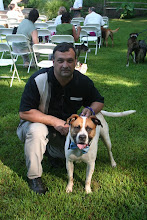
PET OF THE WEEK [Photo]PeterPeter was born at the Humane Society on September 5, 2006 in Ginger Morgan’s office. Peter was one of six puppies born to Lola (a small German Shepherd). He and his siblings were all named after the kids on the Brady Bunch TV show.The Humane Society of Memphis and Shelby County is participating in a program at the Mark H. Luttrell Correctional Center called Puppies Achieving Worthy Service, or PAWS. Peter just completed six weeks of obedience training where the inmates taught him to sit, down, stay, walk on a loose leash, and a couple of cute tricks. Through this program the inmates get an opportunity to give back to society from behind bars. And the Humane Society gets a trained dog that is highly adoptable.Peter is 8 months old and weighs 62 lbs. He has been described as being a big dog with an even bigger heart.You can adopt Peter by visiting him at the Humane Society located at 935 Farm Road.
Subscribe to:
Comments (Atom)
![[Photo]](https://blogger.googleusercontent.com/img/b/R29vZ2xl/AVvXsEgU7JgBdC_Qf1_8-9fJ3U7UZyinEV42YfjUGjn89KK2wESvuKtompKjDVEoKJAicOPH3EdhZzaofhGOPrA1jR0feFBFnvx1HSoxH4kmsrOuKjRNThw2CkCkweLA5OMJEQxG31YQDUEm_9L-/s1600-h/peter-300.jpeg)